
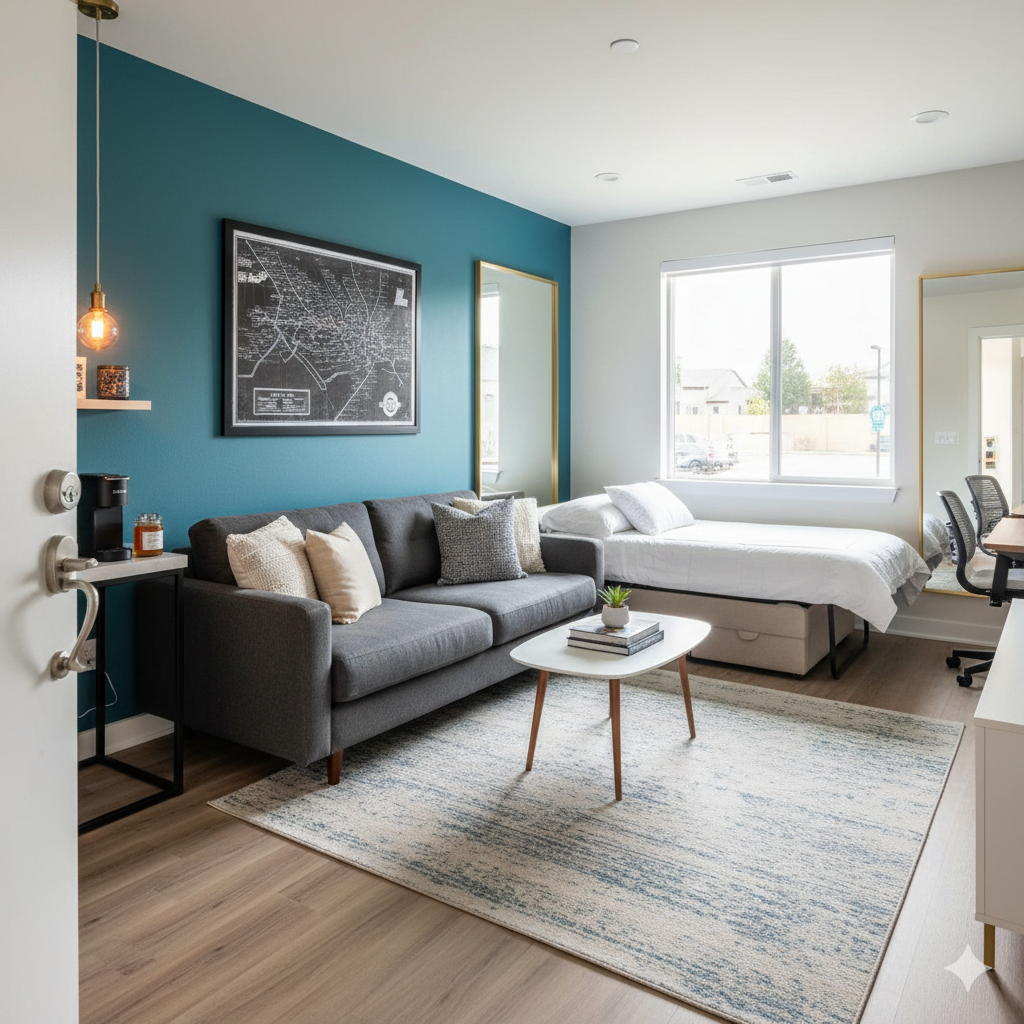
Furnishing a short-term rental is not the same as furnishing a personal home. Many owners make the mistake of decorating based on taste instead of performance. The result? High upfront costs, faster wear and tear, and inconsistent bookings.
If your goal is profitability, every furnishing decision should support three outcomes:
-
Higher booking conversion
-
Stronger reviews
-
Long-term durability
This guide explains how to furnish a short-term rental strategically to maximize return on investment while keeping costs controlled.
Start With Guest Type, Not Furniture
Before buying anything, define your likely guest profile.
In most markets, short-term rentals attract:
-
Couples and weekend travelers
-
Business travelers
-
Small families
-
Event-based visitors
Each guest type has different priorities. A business traveler values workspace and lighting. Families care about sleeping arrangements and storage. Couples prioritize comfort and atmosphere.
When you furnish based on guest behavior instead of style trends, your space performs better.
Focus on Layout Before Buying Items
Layout determines how guests experience the space. You can improve performance dramatically without increasing budget.
Before purchasing furniture:
-
Measure every room carefully
-
Plan walking paths
-
Ensure beds are accessible
-
Avoid overcrowding
An overcrowded living room photographs poorly and feels smaller in person. A clean, functional layout increases perceived value immediately.
Invest Where Guests Actually Notice
Not all furniture contributes equally to ROI. Some items directly affect reviews and repeat bookings.
High-Impact Investments
Mattresses and bedding
Sleep quality is one of the most mentioned review factors.
Sofa comfort
Guests use it daily. Uncomfortable seating reduces perceived quality.
Lighting
Good lighting improves both guest experience and listing photos.
These are worth prioritizing over decorative pieces.
Choose Durability Over Trend
Short-term rentals experience more use than personal homes. Furniture should be selected with wear and maintenance in mind.
Look for:
-
Performance fabrics
-
Stain-resistant materials
-
Washable covers
-
Solid construction frames
Replacing furniture frequently reduces long-term ROI. Durable choices lower operational costs over time.
Keep Design Cohesive and Neutral
You don’t need luxury design to attract bookings. You need consistency.
A cohesive space:
-
Photographs better
-
Feels professionally prepared
-
Builds trust with guests
Neutral palettes with subtle accents typically outperform bold, trendy themes. The goal is broad appeal, not personal expression.
Avoid Overdecorating
Clutter increases cleaning time and maintenance issues.
Instead of filling shelves with decor:
-
Keep surfaces functional
-
Use a few statement pieces
-
Leave breathing room in each room
Minimal, intentional design increases perceived cleanliness and space.
Create Functional Sleeping Capacity
Maximizing sleeping arrangements without sacrificing comfort can increase revenue potential.
However:
-
Avoid squeezing beds into small rooms
-
Ensure every sleeping space has access to outlets and lighting
-
Provide adequate storage
Guests value comfort more than inflated capacity claims.
Include Practical Amenities That Influence Reviews
Certain items consistently improve guest satisfaction:
-
Full-length mirror
-
Luggage rack
-
Blackout curtains
-
Bedside lamps
-
Clear Wi-Fi signage
These are relatively inexpensive but significantly improve experience.
Think About Maintenance From Day One
Every furnishing decision impacts turnover efficiency.
Ask:
-
Is this easy to clean?
-
Will this break easily?
-
Does this increase cleaning time?
The smoother your turnover process, the more scalable and profitable your rental becomes.
Budget Allocation Strategy
Instead of spreading your budget evenly across rooms, allocate based on guest impact:
-
30–40% toward bedrooms
-
25–30% toward living area
-
15–20% toward dining and workspace
-
Remaining budget toward decor and finishing touches
Prioritizing bedrooms and living spaces typically yields stronger returns.
Photograph With Performance in Mind
Furnishing decisions should consider how the space will appear in listing photos.
Before photography:
-
Remove excess items
-
Balance lighting temperature
-
Ensure clean symmetry
-
Highlight functionality
Professional-looking photos begin with proper setup—not editing tricks.
Common Furnishing Mistakes That Hurt ROI
Many new hosts reduce profitability by:
-
Buying low-quality furniture that needs replacing quickly
-
Overcrowding small rooms
-
Ignoring lighting
-
Mixing styles without cohesion
-
Choosing appearance over comfort
Avoiding these mistakes protects your initial investment.
Why Strategic Furnishing Impacts Long-Term Revenue
Well-furnished short-term rentals often see:
-
Higher booking conversion
-
Better review language
-
Fewer maintenance complaints
-
Longer property lifespan
The difference between an average-performing listing and a high-performing one often comes down to setup quality.
When a Structured Setup Approach Makes Sense
Furnishing for maximum ROI requires coordination between:
-
Layout planning
-
Design consistency
-
Guest experience optimization
-
Operational efficiency
When all elements are aligned before launch, properties tend to perform more consistently and require less reactive problem-solving later.
Final Thoughts
Learning how to furnish a short-term rental for profit is about strategy, not decoration. Focus on guest behavior, durability, comfort, and functionality. Every item should serve a purpose that supports reviews, bookings, and long-term performance.
A thoughtful furnishing plan transforms a property from simply “available” to truly competitive.

